The Anatomy of "Gently Cooked" Feline Nutrition: A Modern Scientific Analysis of Smalls Cat Food
2 months ago · Updated 2 months ago
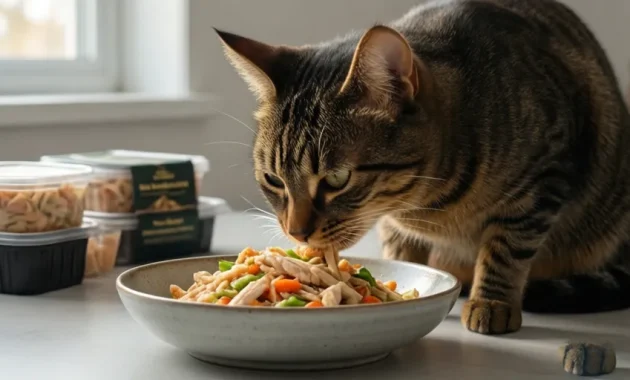
The pet food industry is undergoing a major shift. For decades, the standard choice for cat owners was simple: highly processed dry kibble or shelf-stable canned pates. However, as veterinary science advances our understanding of feline metabolic systems, a new category has emerged at the top of the premium market: Gently Cooked Fresh Food.
Brands like Smalls have positioned themselves at the center of this movement, aiming to bypass the heavy processing of traditional pet food in favor of fresh, human-grade ingredients.
This comprehensive guide analyzes the biology behind gently cooked food, evaluates the marketing claims made by raw and fresh food companies, and looks at how customized meal plans can support a cat's health.
The Biology of "Gently Cooked" vs. Traditional Processing
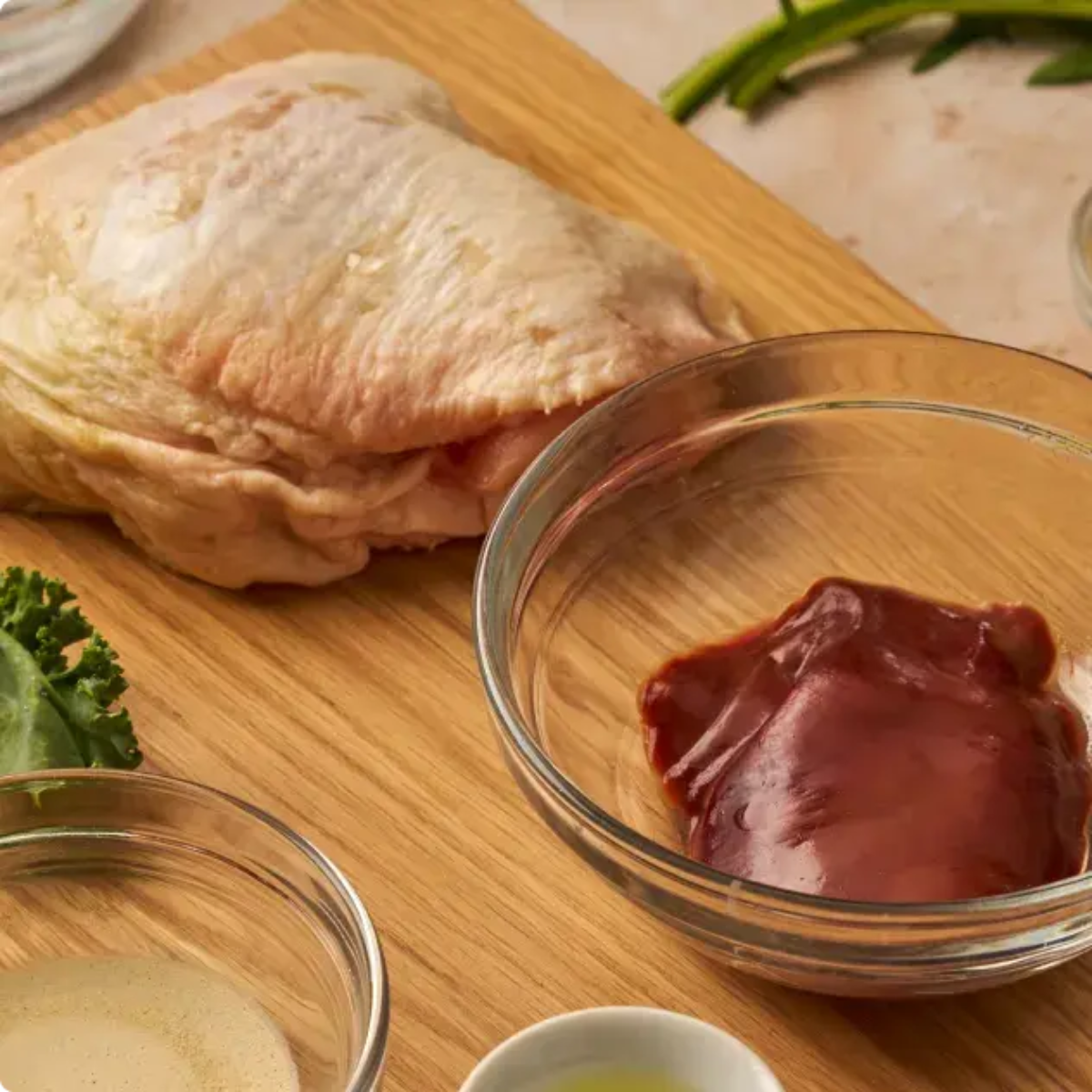
To understand why gently cooked food has gained popularity among veterinarians and animal nutritionists, we must look at how the physical structure of proteins changes under heat.
                      [ Processing & Protein Dynamics ]
                                      │
         ┌────────────────────────────┴────────────────────────────┐
         ▼                                                         ▼
   [ Ultra-High Heat Rendering ]                             [ Gentle Thermal Cooking ]
   ├── Used for standard dry kibble/canned                   ├── Low-and-slow heat application
   ├── Can degrade fragile amino acids                       ├── Destroys pathogic bacteria (Salmonella)
   └── Requires synthetic nutrient sprays                    └── Locks in natural moisture & amino profiles
1. The Nutritional Cost of High Heat
Traditional dry kibble and canned foods are manufactured using high-heat processes like extrusion or retorting. While these methods are highly efficient for creating shelf-stable products, intense heat can alter or damage delicate amino acids, vitamins, and natural enzymes. To make up for this loss, manufacturers often have to spray a synthetic mix of vitamins and minerals back onto the food before packaging.
2. The Gentle Cooking Method
Gently cooked formulas apply a low-and-slow heat treatment to fresh ingredients. This method is carefully balanced to achieve two crucial goals:
-
Pathogen Elimination: The heat is high enough to destroy dangerous bacteria like Salmonella, Listeria, and E. coli, making the food much safer to handle than a raw diet.
-
Nutrient Retention: Because the temperatures stay low, the natural moisture, delicate proteins, and vital micronutrients remain intact and easy for your cat to digest.
Analyzing the Formula — "Everything They Need. Nothing They Don't."
Cats are obligate carnivores. Their bodies are biologically designed to process a diet rich in animal protein and moisture, with almost no reliance on carbohydrates.
[ Traditional Brands ] ──► Packed with Carbohydrate Fillers ──► Metabolic Stress & Weight Gain
[ Smalls Fresh Food ]  ──► Ultra-High Protein + Zero Fillers  ──► Optimal Metabolic Equilibrium
Many mass-market cat foods use cheap carbohydrate fillers like corn, wheat, soy, or potatoes to help hold dry kibble together or bulk up canned food. However, a cat's liver lacks the specific enzyme pathways needed to process large amounts of carbs efficiently.
Diets heavy in carbohydrates can strain a cat's metabolism, often leading to common health issues like feline obesity, chronic inflammation, and type-2 diabetes.
By focusing on an ultra-high protein formula with no unnecessary fillers, fresh food diets match a cat's natural ancestral diet. This provides clean energy without placing extra stress on their digestive system.
Step-by-Step Breakdown — How the Custom Subscription Model Works
Because every cat has a unique metabolic rate based on their age, weight, and lifestyle, fresh food brands typically avoid a one-size-fits-all approach. Instead, they use a structured, subscription-based system to tailor your cat's portions:
1.Take the Dietary Profile Quiz:Requires specific cat metrics.You start by inputting your cat's exact biological details, including their age, current weight, activity level, body shape, and flavor preferences. This data calculates their precise daily caloric target.
2.Test the Trial Sampler:Observation phase.Before committing to a long-term plan, you receive a transitional sampler pack. This allows you to introduce the new textures slowly and observe your cat's initial digestive response and flavor preferences.
3.Build Your Custom Lifestyle Plan:Adaptive adjustments.Based on how your cat responds to the sampler, you lock in a customized delivery schedule. The portions are pre-measured to match your cat's exact daily caloric needs, helping to prevent accidental overfeeding.
4.Monitor Health and Visual Improvements:Long-term tracking.As your cat transitions fully to a fresh food diet, you track visible health markers, such as coat shine, energy levels, and smaller, less smelly stools due to high food digestibility.
Evaluating Customer Data and Health Metrics
According to internal surveys from Smalls, 90% of customers reported noticeable improvements in their cat's overall health after making the switch to fresh food.
While individual results will always vary based on a cat's genetics, veterinary data shows that a transition to a high-protein, high-moisture diet consistently yields several key health benefits:
-
Improved Hydration: The high natural moisture content in fresh food supports kidney function and helps prevent urinary tract issues.
-
Healthy Weight Management: Removing empty carbohydrate fillers allows cats to lose excess fat while maintaining lean muscle mass.
-
Better Digestion: Because the food is highly digestible, your cat's body absorbs more nutrients, which often results in smaller, less frequent stools.
Final Decision Matrix: Is Gently Cooked Fresh Food Right for Your Cat?
To help you decide if a fresh food subscription fits your home, this table compares the advantages and practical trade-offs of switching from traditional kibble:
| Nutritional Domain | Gently Cooked Fresh Food (e.g., Smalls) | Traditional Mass-Market Kibble |
| Protein & Filler Quality | Uses human-grade, ultra-high proteins with zero grain, corn, or soy fillers. | Often relies on plant-based proteins and carbohydrate fillers to bind kibble. |
| Moisture & Hydration | Naturally rich in moisture, providing excellent support for the kidneys and urinary tract. | Highly dehydrated, requiring your cat to drink plenty of extra water to stay hydrated. |
| Convenience & Storage | Must be stored in the refrigerator or freezer and served fresh daily. | Very shelf-stable; can be bought in bulk and left out for free-feeding. |
| Financial Investment | Premium pricing via a recurring subscription model tailored to your cat's needs. | Budget-friendly baseline cost per serving with widely available retail options. |
| Risk Protection | Backed by introductory perks, like a 100% money-back guarantee on trial samplers. | Rarely includes a money-back satisfaction guarantee after a bag is opened. |
Investing in a gently cooked fresh food plan is an excellent way to align your cat's daily nutrition with their natural biological needs. While it requires a larger financial investment and a bit more storage space than standard dry food, the long-term benefits—clear eyes, a shiny coat, healthy joints, and robust urinary health—are a wonderful way to support a long, vibrant life for your feline companion.
FAQ — Gently Cooked Fresh Cat Food (e.g., Smalls)
1. What is gently cooked cat food?
Gently cooked cat food is made using low-temperature cooking methods designed to preserve natural nutrients while still eliminating harmful bacteria like Salmonella and E. coli. It sits between raw diets and heavily processed kibble.
2. How is gently cooked food different from kibble?
Kibble is made using high-heat extrusion, which can reduce nutrient quality and requires added synthetic vitamins. Gently cooked food uses fresh ingredients cooked at lower temperatures, retaining more natural moisture and protein integrity.
3. Is gently cooked cat food safe for cats?
Yes. The controlled cooking process is designed to eliminate harmful pathogens while maintaining nutritional quality, making it a safer alternative to raw diets.
4. Is fresh gently cooked food better for cats than kibble?
It depends on the cat. Many cats benefit from higher moisture intake, better digestibility, and fewer carbohydrate fillers. However, kibble remains a practical and budget-friendly option for many households.
5. Why is moisture content important in cat food?
Cats naturally have a low thirst drive, so moisture-rich diets help support kidney function, urinary tract health, and overall hydration—especially in indoor cats.
6. Does gently cooked food help with weight management?
It can. High-protein, low-carbohydrate recipes help support lean muscle mass while reducing excess fat gain caused by carb-heavy diets.
7. Are there any downsides to fresh cat food subscriptions?
Yes. Common drawbacks include:
- Higher cost compared to kibble
- Need for refrigeration or freezing
- More frequent delivery management
- Less convenience for bulk storage
8. How do fresh cat food subscriptions work?
Most services ask for your cat’s age, weight, and activity level, then create a customized meal plan. Food is delivered regularly in pre-portioned servings based on calorie needs.
9. Can I switch my cat from kibble to fresh food immediately?
No. A gradual transition over 7–10 days is recommended to avoid digestive upset. Slowly mix fresh food with the old diet while increasing the ratio over time.
10. Will my cat like gently cooked food?
Most cats prefer it because of the higher aroma, moisture content, and real meat texture. However, individual preferences vary, so trial packs are often used before committing.
11. Does gently cooked food improve digestion?
Many cats experience improved digestion due to higher-quality proteins and fewer fillers, often resulting in smaller and less frequent stools.
12. Is Smalls or similar fresh food worth the price?
It depends on your priorities. Fresh food offers premium nutrition, convenience through subscriptions, and potential health benefits, but it comes at a significantly higher cost than traditional kibble.
13. Can fresh food replace kibble completely?
Yes, if it is nutritionally complete and balanced. Many pet owners fully transition to fresh diets, while others combine fresh food with kibble.
14. How should fresh cat food be stored?
It must be refrigerated or frozen to maintain freshness and safety. Unlike kibble, it has a much shorter shelf life after opening.
15. What cats benefit most from gently cooked diets?
Fresh food may be especially beneficial for:
- Cats with low water intake
- Overweight or obese cats
- Cats with urinary tract issues
- Picky eaters
- Cats with sensitive digestion
16. Are fresh cat foods vet-approved?
Many formulations are developed with veterinary nutritionists, but approval varies by brand. It’s always best to check whether the diet meets AAFCO nutritional standards and consult your vet before switching.