Comprehensive Overview: Homeopathy in Feline Medicine
2 months ago
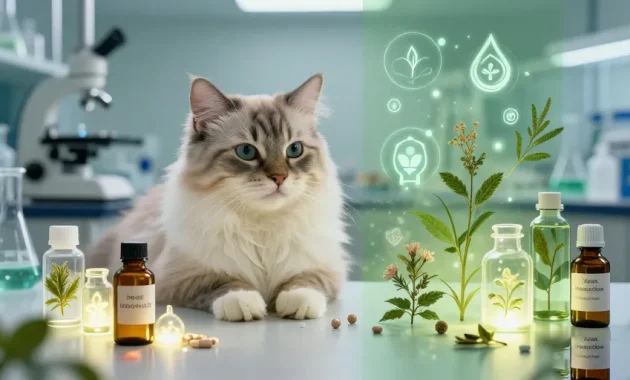
Homeopathy is an alternative medical philosophy utilized globally for both acute and chronic conditions in human and veterinary medicine. Developed in the late 18th century, it operates on principles distinct from conventional, evidence-based veterinary medicine, focusing on holistic healing and highly diluted natural substances.
Core Philosophy and History
The foundation of homeopathy is built upon specific historical tenets and distinct preparation methods.
The Principle of Similars
Homeopathy is derived from the Latin phrase "similia similibus curentur", which translates to "like cures like." It is based on the belief that a substance that causes specific symptoms in a healthy individual can, when highly diluted, stimulate the body's self-healing mechanisms to cure those same symptoms in an ailing patient.
Historical Timeline
-
4th Century BC: Hippocrates briefly referenced the concept of "like curing like."
-
1796: The German physician Samuel Hahnemann formally founded homeopathy, experimenting with minimum doses and extending the practice to animals, marking the birth of veterinary homeopathy.
-
19th Century: The practice gained significant popularity across Europe and the United States.
-
20th Century to Present: While conventional pharmaceutical advancements became the primary standard of medicine, homeopathy experienced a resurgence in the 1970s and remains a widely accessible alternative therapy.
Preparation and Potency Nomenclature
Homeopathic remedies undergo a specific manufacturing process called potentization, which involves serial dilution and vigorous shaking (succussion).
[ Raw Source Material ] -> (Mother Tincture)
                                │
         ┌──────────────────────┴──────────────────────┐
         ▼                                             ▼
   [ X or D Potency ]                            [ C Potency ]
  ├── 1:10 Dilution Ratio                       ├── 1:100 Dilution Ratio
  └── Followed by Succussion                    └── Followed by Succussion
Understanding the Potency Scales
The letters on a homeopathic label indicate the dilution ratio, while the accompanying number represents how many times that dilution process was repeated:
-
Mother Tincture: The raw, undiluted botanical, mineral, or animal source material.
-
X (or D): Represents a 1:10 dilution scale.
-
C: Represents a 1:100 dilution scale.
-
Administration Forms: These remedies are typically processed into small lactose pills (globuli), powders, liquids, or tablets.
Common Alternative Remedies for Feline Conditions
In veterinary holistic care, specific homeopathic remedies are traditionally selected based on the cat's clinical signs and behaviors.
Common Remedies by Ailment Category
-
Gastrointestinal (Vomiting & Constipation): Nux vomica is frequently used as a general gastrointestinal alternative.
-
Allergies & Respiratory Signs: Echinacea (used to support the immune system), Allium cepa (for watery eyes or runny nose), and Natrum muriaticum.
-
Dermatitis & Skin Conditions: Sulphur (for itching and scratching), Silica (historically used to help open skin abscesses), and Rhus tox.
-
Urinary Tract Support: Cantharis, Berberis vulgaris, and Solidago virgaurea.
Administration Protocols
Remedies are often given as a single substance, though veterinarians practicing homeopathy frequently use complex preparations (combinations of multiple remedies). Common potencies utilized for pets include C30 and C200 dilutions. In acute situations, doses are sometimes administered every 30 minutes, whereas chronic conditions are typically managed with a frequency of 1 to 3 times daily.
Scientific Context and Safety Profile
When exploring alternative therapies for pets, it is vital to balance holistic perspectives with established scientific consensus.
The Scientific Perspective
Conventional medical and scientific communities categorize homeopathy as a pseudoscience. Standard clinical studies consistently demonstrate that the serial dilution process often dilutes the original substance past Avogadro's number, leaving no measurable molecules of the original active ingredient behind.
While proponents argue that the "placebo effect" cannot apply to animals because they do not understand the treatment, veterinary scientists attribute observed improvements to:
-
The Caregiver Placebo Effect: The pet owner perceives the cat is doing better because they are actively providing care.
-
Natural Disease Regression: Many acute conditions (like minor vomiting or self-limiting infections) resolve on their own over time, independent of therapy.
Safety and Integration
Because homeopathic remedies are highly diluted, they possess a high margin of safety, carry no risk of chemical overdose, and do not cause traditional drug side effects or interactions. They can be safely paired alongside conventional treatments.
Critical Medical Note: Homeopathy should never be used as a substitute for primary, conventional veterinary care in acute, life-threatening, or severe chronic illnesses (such as acute kidney failure, severe infections, or major trauma). Delaying standard veterinary intervention can jeopardize animal welfare.
Professional Standards and Cost
The regulations governing who can practice veterinary homeopathy vary significantly by geographic region:
-
United States & Canada: The respective Veterinary Medical Associations view veterinary homeopathy as a component of holistic veterinary medicine. Consequently, only licensed Doctors of Veterinary Medicine (DVMs) are legally authorized to practice it, ensuring the practitioner possesses a deep foundation in conventional diagnostics.
-
Europe: Regulations vary by country; in some regions, certified holistic practitioners without a formal veterinary degree are permitted to operate natural health practices.
-
Financial Cost: Homeopathic remedies are highly cost-efficient, typically ranging from $4 to $20 per remedy. However, they are rarely covered by standard pet insurance policies without an optional holistic care rider.
FAQ (Frequently Asked Questions)
Q1: What is homeopathy in veterinary medicine?
A: Homeopathy is an alternative medical system that uses highly diluted substances based on the principle of “like cures like.” In veterinary use, it is applied to support animals with various acute or chronic conditions, but it is not part of conventional evidence-based medicine.
Q2: Is homeopathy scientifically proven to work for cats?
A: No. Most scientific studies conclude that homeopathy does not perform better than a placebo. Any perceived improvement is often attributed to natural recovery, caregiver observation bias, or concurrent treatments.
Q3: Is homeopathic treatment safe for cats?
A: Generally, yes. Because homeopathic remedies are highly diluted, they contain little to no active chemical substance, making them low-risk in terms of toxicity or side effects. However, safety does not equal effectiveness.
Q4: Can homeopathy replace veterinary treatment?
A: No. Homeopathy should never replace proper veterinary care, especially for serious conditions like infections, kidney disease, trauma, or poisoning. Delaying treatment can put an animal’s health at serious risk.
Q5: What are common homeopathic remedies used for cats?
A: Some commonly referenced remedies include Nux vomica (digestive issues), Sulphur (skin problems), and Cantharis (urinary symptoms). However, their effectiveness is not supported by strong clinical evidence.
Q6: What does C30 or C200 mean in homeopathy?
A: These refer to dilution levels. “C” means a 1:100 dilution repeated multiple times. Higher numbers indicate greater dilution, often to the point where no original molecules remain in the solution.
Q7: Can animals experience a placebo effect from homeopathy?
A: Animals cannot experience a placebo effect directly, but improvements may be influenced by owner perception, increased care, or natural disease resolution.
Q8: Why is homeopathy still used if it is not scientifically supported?
A: Some pet owners and holistic practitioners prefer it due to tradition, perceived natural safety, and anecdotal reports of improvement.
Q9: Are homeopathic remedies expensive?
A: They are usually inexpensive per dose, but costs can vary depending on practitioner consultations and long-term use.
Q10: Should I talk to a vet before using homeopathy for my cat?
A: Yes. It is always recommended to consult a licensed veterinarian before starting any treatment to ensure your cat receives safe and effective medical care.