
Fitbit’s New Screenless Whoop-Style Tracker Is a Better Fit for the Brand Than a Smartwatch — It’s a Return to the ‘Almost Invisible’ Pedometer of 2008
4 hari ago

In the ever-evolving world of wearable technology, Fitbit has long been a pioneer in making fitness tracking accessible and motivating. Yet after Google’s acquisition and the shift toward more advanced smartwatches, many felt the brand had drifted from its original minimalist roots. Now, in 2026, Fitbit appears to be returning to form with a new screenless fitness tracker teased by NBA superstar Steph Curry — a device that echoes the simple, “almost invisible” pedometer that launched the company back in 2008.
This upcoming tracker, widely expected to adopt a Whoop-style band design with no screen, focuses purely on passive data collection rather than constant notifications and interactive displays. It could mark a significant strategic pivot for Fitbit, moving away from competing directly with flashy smartwatches and instead reclaiming its heritage as a discreet, set-and-forget wellness companion.
In this comprehensive 2026 analysis, we’ll explore:
- The history of Fitbit’s minimalist beginnings and how the brand evolved
- Why a screenless tracker makes perfect sense for Fitbit in today’s market
- How it compares to competitors like Whoop 5.0, Polar Loop, Amazfit Helio Strap, and the rumored Garmin CIRQA
- Potential features, design philosophy, and integration with Google’s ecosystem
- The broader implications for the wearables industry and what this means for users who want simplicity over complexity
Whether you’re a longtime Fitbit user nostalgic for the early days or someone overwhelmed by notification-heavy smartwatches, this new device could represent a refreshing return to what made fitness tracking truly enjoyable. Let’s dive into why Fitbit’s screenless tracker might be exactly what the brand — and the market — needs right now.
Fitbit’s Roots — The ‘Almost Invisible’ Pedometer of 2008
The Birth of a Simple Idea In 2008, during the TechCrunch50 conference, a small startup called Fitbit introduced a revolutionary concept: a wireless smart pedometer that clipped discreetly to your clothing. It tracked steps, used gyroscopes to monitor sleep patterns, and automatically synced data to a computer via a Bluetooth-connected dock. There was no flashy screen or constant interaction required — just reliable, background tracking that uploaded your stats whenever you were near the base station.
Tech journalist John Biggs described it as “almost invisible” and something he actually wanted to use. The device had a tiny LED indicator, but the real magic happened on your computer, where you could view detailed stats and even log nutrition information. It was the purest form of a “set and forget” wellness tracker — no distractions, no notifications, just honest data to help you understand your habits.
From Clip to Wrist A few years later, Fitbit released the Flex, moving the tracker to the wrist while maintaining the same minimalist philosophy. Five LED lights showed your progress toward daily step goals, but interaction remained minimal. The focus stayed on passive monitoring rather than turning the device into a mini computer on your wrist.
This approach resonated deeply with users who wanted fitness insights without the burden of another gadget demanding constant attention. Fitbit’s early success was built on simplicity, reliability, and seamless data collection — values that helped establish the brand as a leader in accessible fitness technology.
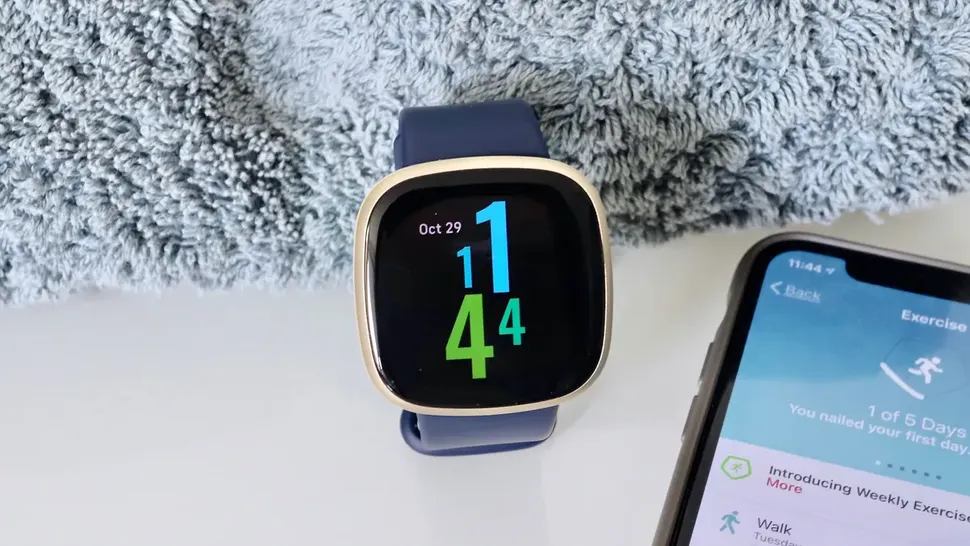
The Shift Toward Smartwatches After Google acquired Fitbit in 2021, the brand gradually moved toward more advanced, interactive devices. The Versa and Sense lines introduced colorful touchscreens, app notifications, built-in GPS, and sophisticated health sensors. While these features expanded Fitbit’s capabilities, they also moved the brand further away from its original “invisible” ethos.
Many users appreciated the added functionality, but others felt the devices had become too similar to generic smartwatches, losing some of the charm that made early Fitbits special. Google’s integration of Fitbit data into the Pixel Watch ecosystem further blurred the lines, causing some to question Fitbit’s unique identity.
Why a Return to Minimalism Makes Sense in 2026 By 2026, the wearables market has become crowded with screen-heavy smartwatches that constantly buzz with notifications, health alerts, and app interactions. Many users report feeling overwhelmed rather than empowered by their devices. At the same time, a growing segment of fitness enthusiasts — inspired by brands like Whoop — are embracing screenless trackers that prioritize long battery life, passive data collection, and minimal distraction.
Fitbit’s rumored new screenless tracker appears to be a deliberate return to the brand’s roots. By stripping away the screen and focusing on core tracking (steps, sleep, heart rate, recovery metrics), Fitbit can once again offer a device that fades into the background, letting users focus on their activity rather than their gadget.
This strategic shift could help Fitbit reconnect with its original audience while attracting new users who want simple, effective fitness insights without the complexity of a full smartwatch.
The Rise of Screenless Trackers — Whoop, Polar, Amazfit, and Garmin
The Screenless Trend Gains Momentum The success of Whoop’s subscription-based, screenless fitness band has proven there is strong demand for minimalist wearables. Whoop 5.0, Polar Loop, Amazfit Helio Strap, and the anticipated Garmin CIRQA all emphasize passive monitoring, long battery life, and detailed insights delivered through companion apps rather than on-wrist displays.
These devices typically last days or even weeks on a single charge, avoid notification distractions, and focus on recovery metrics, strain, and sleep quality — areas where traditional smartwatches often fall short due to their always-on nature and shorter battery life.
Why Users Love Screenless Designs Many fitness enthusiasts report that removing the screen reduces “tech overload” and helps them stay present during workouts or daily activities. Instead of constantly checking a glowing display, they review detailed reports later in a clean app interface. This approach aligns perfectly with mindfulness trends and the desire for technology that supports rather than interrupts life.
Fitbit’s Opportunity to Lead Again Fitbit is uniquely positioned to capitalize on this trend. With its long history of simple, reliable trackers and Google’s advanced health algorithms, a new screenless Fitbit could combine the best of both worlds: the brand’s approachable identity with cutting-edge Google-powered insights.
Unlike pure subscription models like Whoop, Fitbit could offer flexible options — perhaps a one-time purchase with optional premium analytics or seamless integration with existing Google services. This hybrid approach might appeal to users who want simplicity without committing to monthly fees.
Potential Features for Fitbit’s New Tracker While official details remain limited, expectations include:
- Multi-day battery life (possibly 7–14 days)
- Advanced sleep and recovery tracking
- Continuous heart rate and SpO2 monitoring
- Stress and readiness scores powered by Google’s AI
- Discreet, comfortable band design suitable for 24/7 wear
- Automatic activity detection without manual start/stop
By focusing on these core strengths, Fitbit can differentiate itself from flashy smartwatches while delivering meaningful health insights in a non-intrusive package.
How a Screenless Fitbit Compares to Today’s Smartwatches
The Smartwatch Fatigue Factor Modern smartwatches like the Apple Watch, Samsung Galaxy Watch, and Google Pixel Watch offer incredible features — but they also come with constant notifications, shorter battery life, and the pressure to interact. Many users find themselves checking their wrist more often than they’d like, turning a wellness tool into another source of digital distraction.
Fitbit’s Potential Advantages A screenless Fitbit tracker could address these pain points by:
- Eliminating on-wrist notifications entirely
- Offering significantly longer battery life
- Reducing the temptation to constantly interact with the device
- Focusing purely on background data collection and thoughtful app-based insights
This approach would allow users to wear the tracker comfortably during sleep, workouts, and daily life without feeling “plugged in” all the time.
Who Might Prefer a Screenless Tracker?
- Athletes focused on recovery and training load rather than real-time stats
- Professionals who want to minimize distractions during work hours
- Users overwhelmed by smartwatch notifications
- People who prefer reviewing detailed reports at their own pace rather than constant glances at their wrist
Potential Drawbacks Of course, removing the screen means losing quick glanceability for time, notifications, or basic stats. Some users may still prefer the convenience of a full smartwatch. Fitbit would need to ensure its companion app delivers fast, intuitive access to data to compensate for the lack of on-device display.
What This Means for the Wearables Market in 2026
A Healthy Market Shift The emergence of more screenless options signals a maturing wearables market. Rather than every device trying to be an all-in-one smartwatch, we’re seeing healthy specialization — some devices for constant interaction and notifications, others for pure, distraction-free tracking.
This diversity benefits consumers by offering choices that better match individual lifestyles and preferences.
Google’s Strategic Vision By reviving Fitbit’s minimalist roots while leveraging Google’s AI and health expertise, the company could create a powerful one-two punch: advanced Pixel Watches for users who want full smartwatch functionality, and a simple, effective Fitbit tracker for those who prefer a hands-off approach.
This strategy could help Google strengthen its position in the health and fitness category while differentiating its offerings from Apple and Samsung.
Impact on Competitors The success (or failure) of Fitbit’s new tracker will likely influence other brands. We may see more companies exploring screenless or hybrid designs, especially as users push back against constant connectivity and notification overload.
Final Thoughts and What to Expect Next
A Promising Return to Roots Fitbit’s rumored screenless tracker represents more than just another product — it’s a potential return to the brand’s founding philosophy of simple, reliable, “almost invisible” fitness tracking. In a world filled with increasingly complex smartwatches, this approach could feel refreshingly honest and user-friendly.
If Google executes well, combining Fitbit’s approachable identity with modern sensor technology and intelligent insights, the new tracker has the potential to become a standout device in 2026’s wearables landscape.
Who Should Be Excited?
- Longtime Fitbit users who miss the simplicity of earlier models
- Athletes and fitness enthusiasts who want accurate data without distractions
- Anyone overwhelmed by notification-heavy smartwatches
- Users looking for long battery life and comfortable 24/7 wear
Looking Ahead While we wait for official details and pricing, the teaser from Steph Curry has already generated significant anticipation. The device could launch later in 2026, potentially alongside new Pixel Watch models, giving Google a complete fitness ecosystem spanning minimalist trackers and full-featured smartwatches.
Final Verdict Fitbit’s new screenless tracker feels like a smart, timely move that honors the brand’s heritage while addressing real user needs in 2026. By focusing on passive, reliable tracking rather than competing in the crowded smartwatch space, Fitbit has the opportunity to reclaim its position as a leader in accessible fitness technology.
For many users, this could be exactly the kind of “invisible” wellness companion they’ve been missing.
FAQ – Fitbit Screenless Tracker (2026)
1. What is the new Fitbit screenless tracker?
The new Fitbit screenless tracker is a rumored wearable device focused on passive fitness tracking without a display, designed to collect health data in the background.
2. Does the Fitbit screenless tracker have a screen?
No, it is expected to have no screen at all, similar to Whoop-style fitness bands, relying entirely on a companion mobile app for data viewing.
3. What features will the Fitbit screenless tracker have?
It is expected to include heart rate monitoring, sleep tracking, SpO2 measurement, stress analysis, and AI-powered recovery insights.
4. How long does the battery last?
While not officially confirmed, leaks suggest the device could last between 7 to 14 days depending on usage.
5. How is it different from Fitbit smartwatches?
Unlike Fitbit smartwatches, this device removes the display and notifications, focusing only on health tracking and reducing distractions.
6. Who is the Fitbit screenless tracker designed for?
It is aimed at users who prefer simplicity, athletes focused on recovery, and people who want fitness tracking without constant notifications.
7. How does it compare to Whoop or Garmin?
It is expected to compete directly with Whoop 5.0, Polar Loop, and Garmin’s rumored CIRQA band by offering similar screenless, subscription-style or hybrid tracking features.
8. Will it work with Google services?
Yes, since Fitbit is owned by Google, the tracker is expected to integrate deeply with Google Fit and other Google health AI systems.
9. Can I see real-time stats on the device?
No, real-time stats will not be shown on the device itself. All data will be accessible through a mobile app.
10. When will the Fitbit screenless tracker be released?
There is no official release date yet, but it is expected to launch sometime in 2026.
Tinggalkan Balasan